


Skip to content

Your parts.
Our speciality.

Software for the parts that keep assets and machines running.

We help asset and machine builders manage assembly information, revisions and customer parts orders. For maintenance teams, we make sense of stock and purchasing data, bringing forward insights into what to hold and where to buy.

  • Hilton Foods
  • Prodrive
  • Multimatic
  • Pratt Miller
  • Gibson Technology

Who we are

We help the people who build and maintain assets make better decisions about their parts.

Parts Control develops specialist software for both the businesses that build assets and the teams that maintain them. Our focus is the parts that keep assets and machines running, across an asset’s working life.

  • We match the method to the job

    Some parts decisions need a clear rule, some need a model. We use the right one for each task, and a person makes the call.

  • We stay close

    We learn your task, respond clearly and keep improving from how your team uses the tools.

  • We stay specialist

    We build around the people, information and practical parts decisions that keep assets and machines working.

About Parts Control

The problem we start from

Thousands of parts. Where should your team look first?

Your team can investigate one part thoroughly. Doing that consistently across thousands of lines is a different task. Usage changes, orders arrive at different times, and a rarely used part may still protect a critical asset.

Parts Control makes sense of stock and purchasing data. Machine learning examines usage and transaction history, and AI consolidates the findings into suggestions for your team to review. Your engineering and commercial judgement determines whether to act.

01Parts records sit across several systems, files and people.

Engineering information, customer requests, stock records and purchasing history often live in different places, and some of it lives only with the people who know it. Before anyone can decide, someone has to gather it.

02Parts change. Orders may still refer to an earlier revision.

A part change can affect assemblies, customer information, catalogue choices and the orders that follow. Repeated enquiries and manual handling take time and leave room for mistakes

03Stock and purchasing decisions are made line by line, without the full picture

Each line can be checked carefully on its own. Across everything you hold and buy, it is hard to see which stock settings deserve review first, or whether an attractive price is a suitable offer.

What we do

For the people who build assets and machines. And the teams who keep them running.

Four areas of parts work, each with its own tools.

Two separate organisations, each with its own records. Nothing passes between them automatically.

Follow one part Illustrative example, fictional data
The asset

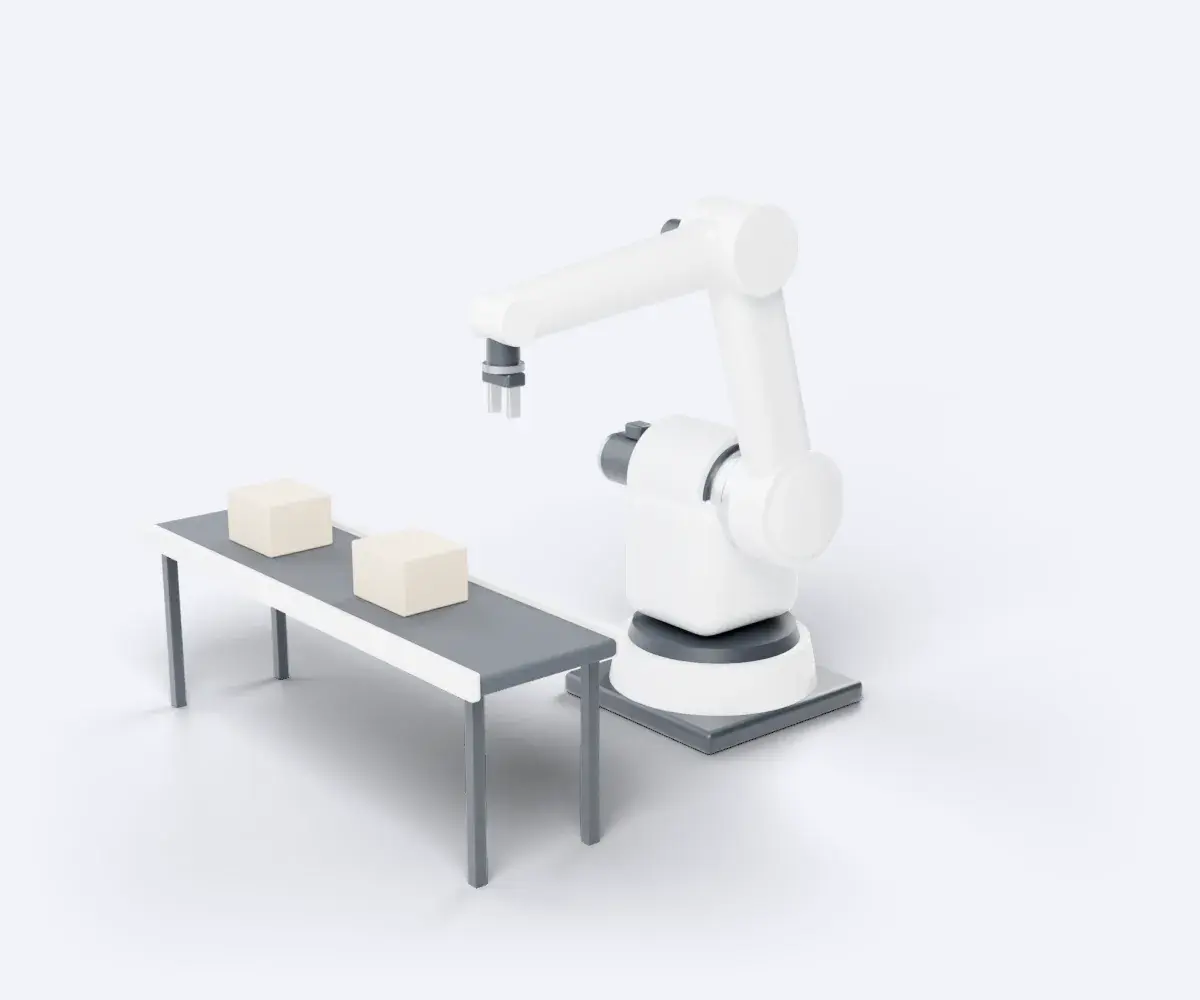
Inside every production asset are parts that keep it running.

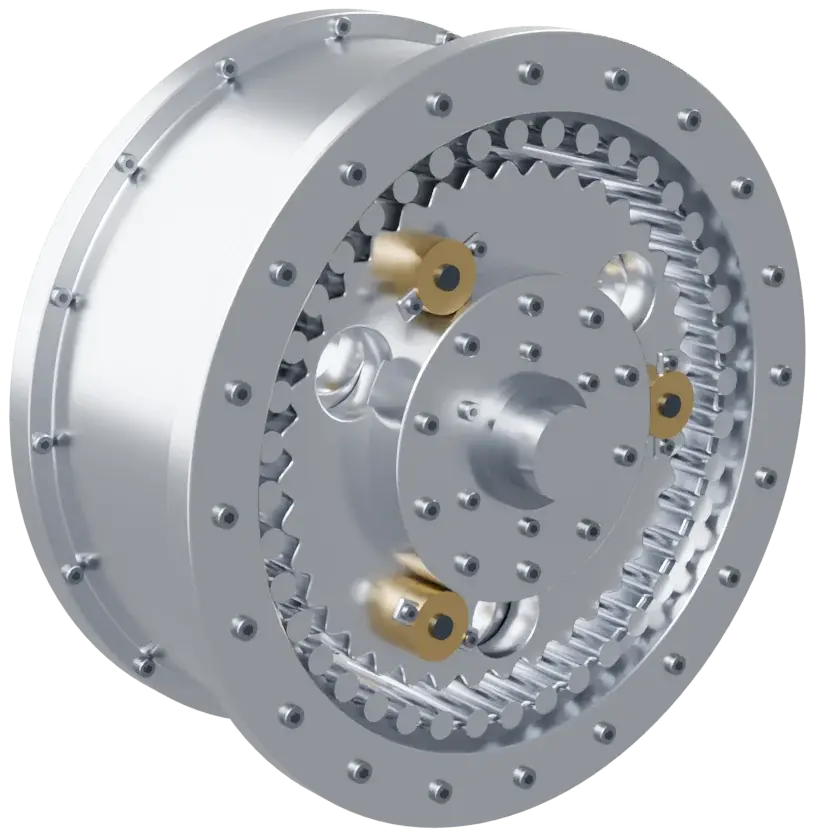
Take one industrial robot. Its shoulder joint carries the arm on a precision reducer: an ordinary-looking part, but if it fails, the robot stops.

1Assembly and revision information

Know where it fits, and which version you built.

The bill of materials shows the parts hierarchy and records the rev.B has replaced rev.A. Production, stores and aftersales then build, stock and sell the right revision.

  • Bill of Materials

Usually used by asset and machine builders

2Customer parts and orders

Sell the right revision, every time.

Your customers order the part, not a revision. When the order comes in, the change type tells your team what to send: an earlier revision that is still fit for use, or the latest if stock has run out or the change is safety critical. Your bill of materials stays current from the day the change is made.

  • Customer portal
  • Order Manager
  • Information Hub

Usually used by asset and machine builders

3Stock review

Check the stock setting before the part is needed.

Three reducers are on the shelf, none was issued last year, and each takes 14 weeks to arrive. Stock Review suggests holding fewer and explains why. A person decides, the change is made in your own system, and the Impact Log follows it through to the outcome.

  • Stock Review
  • Impact Log

Usually used by maintenance teams

4Sourcing and purchasing

Compare where to buy, and what you would be buying.

See each option side by side: price, lead time, condition and how sure the match is. Here the most cost effective is refurbished and only a claimed match, so the buyer asks another site for a transfer first and keeps the previous supplier as the fallback.

  • Sourcing Agent
  • Purchase Review

Usually used by maintenance teams

One part. Four decisions. Specialist software for each.

What could your own parts information show you?

Talk through your parts decisions with our team. Together we’ll see whether there’s a strong fit.

  1. Step 1: Tell us about the work

    We start with your assets and machines, the task and the people involved.

  2. Step 2: Agree the information

    If there is a strong fit, we agree together the useful data, access and confidentiality arrangements.

  3. Step 3: See what your data shows

    We show where the opportunity in your parts data looks largest, demonstrate our platform and discuss what matters to your team.

  4. Step 4: Choose the next step

    We agree together whether there is a useful fit and what working together could involve.

Tell us the size of the task

Four quick answers carry into the booking questions, so you do not type them twice. Nothing is calculated here.

Which describes you?